
Plastic CNC Machining Services
We provide CNC plastic machining services for prototypes and low-volume production. Our machining capabilities cover engineering plastics such as POM, PEEK, Nylon, PTFE, and ABS, producing accurate CNC-machined plastic parts for industrial and engineering applications.
Why Choose CNC Machining for Plastic Parts?
CNC machining offers a flexible way to produce plastic parts for prototypes and low-to-medium volumes.
No Tooling Cost
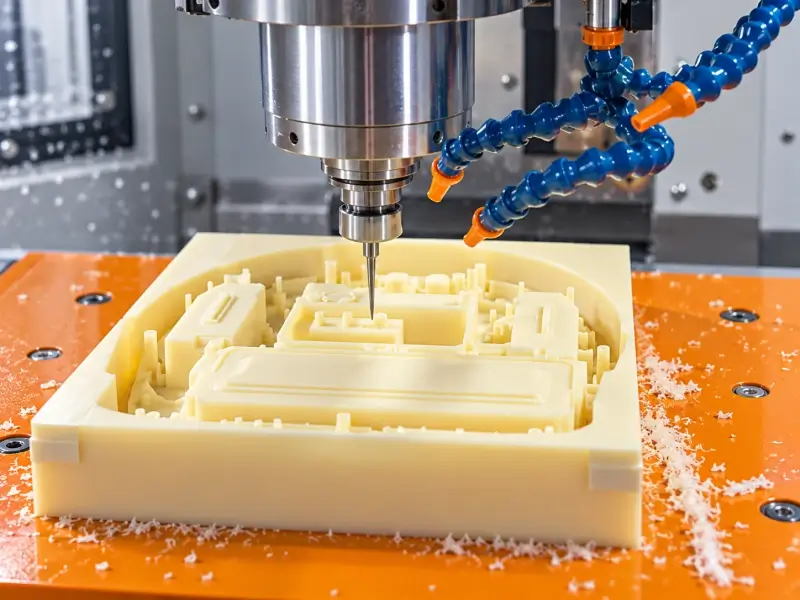
Machine directly from solid plastic raw stock, don’t requre to mold investment and costs.
Fast & Flexible Production
Suitable for samples and low-to-medium volumes, with fast turnaround and easy design verification.
Wide Range of Materials
Machine engineering and high-performance plastics such as POM, PEEK, PTFE, Nylon, and more.
Tight Tolerances
Precise dimensions for plastic parts, fine details on critical features.
Engineering plastics that we machine
A focused selection of common machinable engineering plastics to match the performance, geometry, and production needs of your part.
ABS (Acrylonitrile Butadiene Styrene)
POM (Polyoxymethylene — Acetal/Delrin)
Nylon (PA6/PA66)
PC (Polycarbonate)
PMMA (Acrylic/Plexiglas)
High-performance plastics that we machine
When standard engineering plastics reach their limits, high-performance materials provide the thermal, chemical, mechanical, and regulatory performance that demanding applications require.
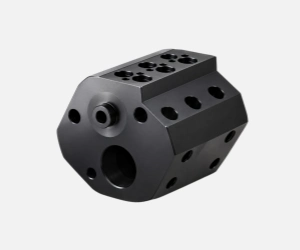
PEEK (Polyether Ether Ketone)
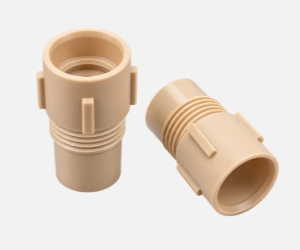
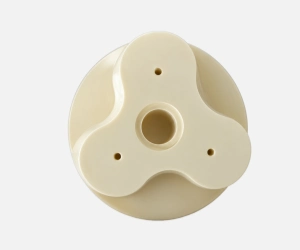
PEEK has excellent mechanical strength, chemical resistance, low moisture absorption, and dimensional stability at elevated temperatures. Depending on the grade, it can be used continuously at temperatures up to around 250–260°C. Typical applications include aerospace components, medical devices, and semiconductor equipment parts.
PPS (Polyphenylene Sulfide)
PPS offers excellent chemical resistance, low moisture absorption, good dimensional stability, and reliable mechanical performance at elevated temperatures. Many grades are suitable for continuous service around 200–220°C and are inherently flame resistant. PPS is commonly used for electrical connectors, automotive under-hood components, semiconductor equipment, and chemical-processing parts.
PTFE (Polytetrafluoroethylene)
PTFE combines extremely low friction, excellent chemical resistance, and a very wide operating temperature range. It is widely used for seals, gaskets, valve seats, bearings, bushings, electrical insulators, and fluid-handling components.
Surface Finishes for CNC Machined Plastic Parts
A general comparison of common CNC plastics. Actual properties vary by material grade, stock form, additives, and operating conditions.
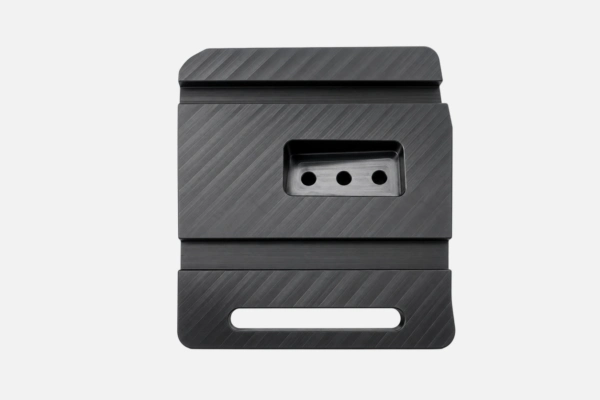
As-Machined
Natural plastic raw material finish, Ra 3.2 μm is standar. Suitable for internal structural components and low aesthetic requirements parts.
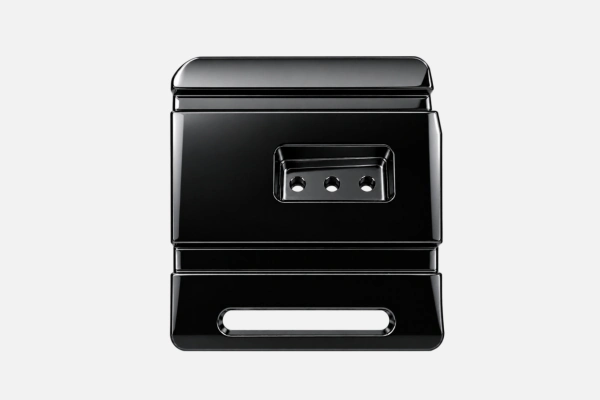
Polished
Manual sanding or machine polishing reduces tool marks and creates a smoother, glossier surface with improved optical clarity. Ideal for PMMA, PC, and other appearance-critical plastic parts.
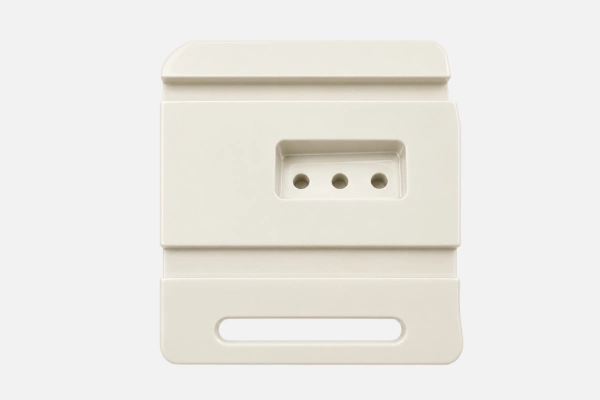
Painting
Spray-painting color on the parts. Ideal for cosmetic and appearance parts, it provides a smooth, attractive finish. Colors can be matched to specified RAL, Pantone, or customer-provided color or sample references.
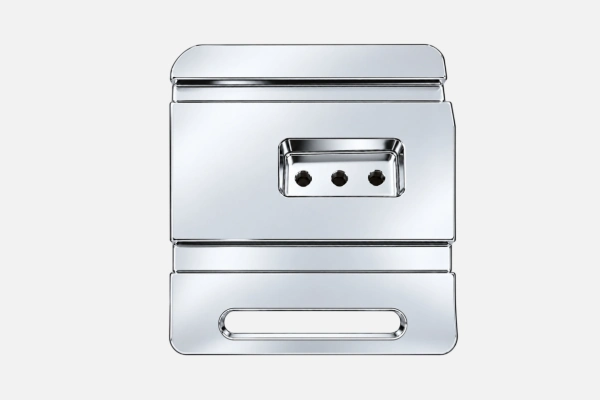
Electroplating
Creates a metallic appearance on plastic parts while improving surface hardness, wear resistance, and decorative quality. Common finishes include chrome, nickel, and copper plating.
Others Services
In addition to aluminum CNC machining services, we also provide such as steel, stainless steel, and other engineering metals and plastic materials.


Plastic CNC Machining FAQs
What is the difference between engineering and high-performance plastics?
Engineering plastics such as ABS, POM, nylon, PC, and PMMA are widely used for industrial, mechanical, and structural applications where strength, wear resistance, dimensional stability, or optical performance is required. High-performance plastics such as PEEK, PPS, and PTFE are selected for more demanding conditions, including elevated temperatures, aggressive chemicals, demanding mechanical loads, or specific regulatory requirements. They also tend to cost significantly more than standard engineering plastics.
Can you hold the same tolerances on plastic as on metal?
Not always. Plastics generally have lower stiffness and higher thermal expansion than metals, and some materials are also sensitive to moisture or clamping pressure. Stable materials such as POM and PEEK can support relatively tight tolerances on suitable features, while softer or more compliant materials such as PTFE and nylon may require wider tolerances. Achievable tolerance depends on the material, part size, geometry, wall thickness, and inspection conditions.
Which plastic should I choose for gears or bearing applications?
POM is a common choice for gears, bushings, and bearing components because of its good stiffness, low friction, wear resistance, and dimensional stability. PEEK may be preferred for higher temperatures, loads, or more demanding chemical environments. Nylon and filled or modified grades can also be suitable where toughness, wear resistance, or low-friction performance is important. Material selection should be based on load, speed, temperature, lubrication, and mating materials.
Can you machine PEEK?
Yes. PEEK can be CNC machined using sharp carbide tooling and carefully controlled cutting conditions. For precision components or parts with significant material removal, annealed stock is often preferred because it can help reduce internal stress and dimensional distortion. PEEK is available in rod, plate, and tube stock, as well as reinforced grades such as glass-filled and carbon-filled materials. Because the material is relatively expensive, efficient stock planning and toolpaths help reduce waste.
Do machined plastic parts need a surface finish?
Not always. Many functional plastic parts are used directly in the as-machined condition. Additional finishing may be specified when improved appearance, smoother surfaces, optical clarity, color, or easier cleaning is required. Common options include sanding, polishing, vapor polishing on compatible materials, painting, and selected plating processes.
Which is better for plastic parts, CNC machining or injection molding?
It depends mainly on production volume, geometry, material, and how often the design may change. CNC machining requires no mold and is well suited to prototypes, low-volume production, design iterations, and many engineering or high-performance plastics. Injection molding requires upfront tooling but can offer much lower unit costs at higher production volumes and is better suited to geometries designed specifically for molding. The crossover point varies significantly by part size, complexity, material, and tooling cost.
Start Your Plastic CNC Machining Project with Our Expert Team
Share your files with us, get a free and fast quote today