
Low-Volume CNC Machining Services
Precision CNC machining for low-volume production of custom metal and plastic parts. Flexible quantities, consistent quality, and cost-effective manufacturing.
- Flexible production runs from 50 to 1,000 parts
- 3–5 Axis CNC Milling, Turning, and Mill-Turn Machining
- Consistent quality across every part and production batch
- CMM inspection and quality reports are available
Why Choose Low-Volume CNC Machining?
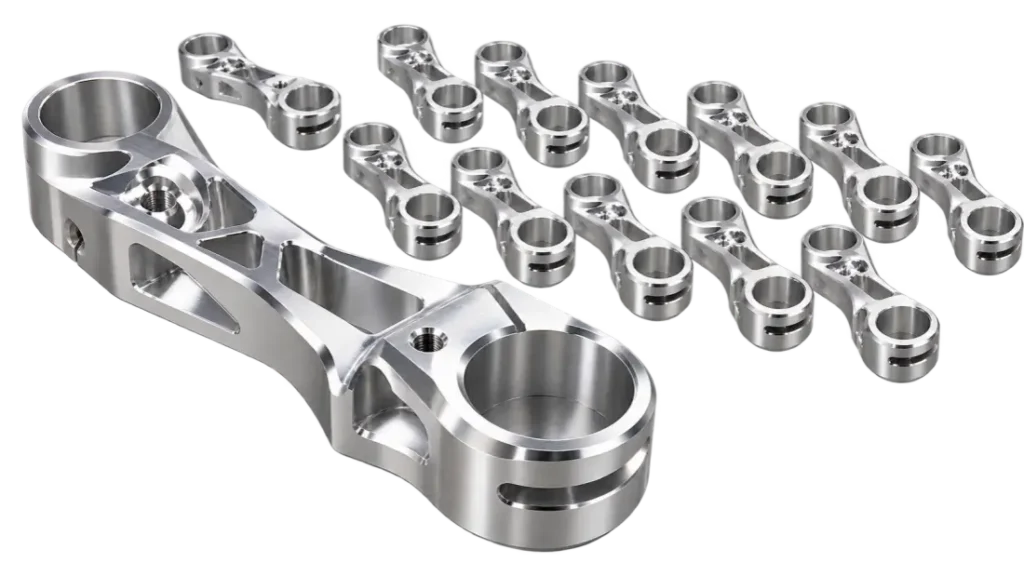
Low-volume CNC machining bridges the gap between prototyping and mass production, delivering production-quality metal and plastic parts without the high upfront tooling costs associated with injection molding or die casting.
01
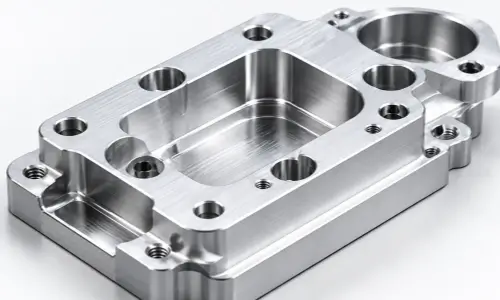
Production-quality parts without molds
Produce small-batch CNC machining components for pilot runs or limited product launches while avoiding investing in expensive tooling.
02
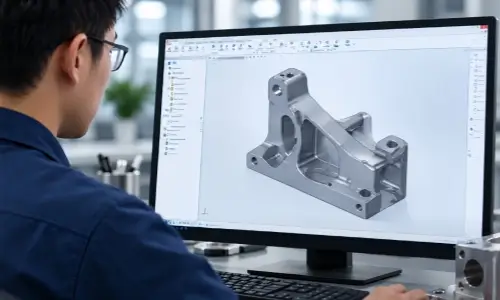
Design may evolve or be modified
Without extra cost when changing the design in the next batch production by CNC. Reducing the cost and delays associated with modifying molds or dies.
03
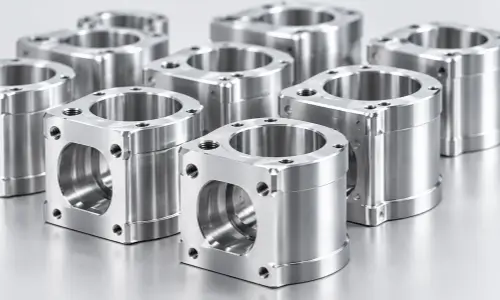
Production volume is relatively small
CNC machining is well suited for specialized industrial equipment, robotics, medical devices, and other applications requiring limited production quantities.
04
Flexibility in material selection.
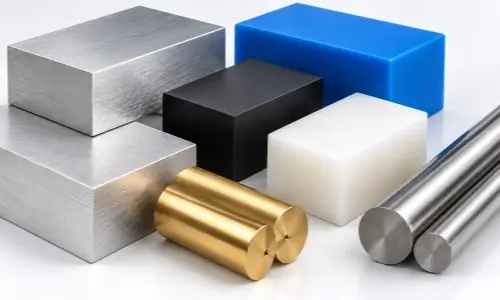
Choose from a wide range of aluminum alloys, stainless steels, engineering plastics, and other materials without being restricted by molding requirements.
Consistent Quality Across Every Production Batch
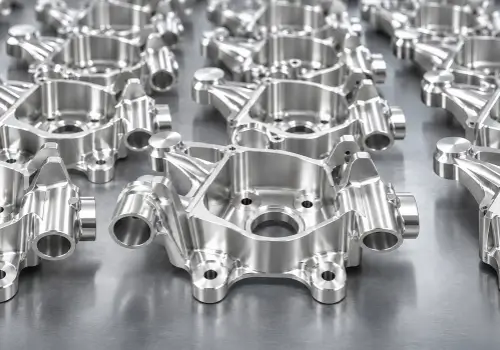
Consistency is essential in low-volume CNC machining. The goal is to ensure that every part, whether from the same batch or repeat orders, meets the same quality standards and specifications.
At Xinprototype, we maintain consistent machining processes, inspection standards, and production records to minimize variation between parts and batches.
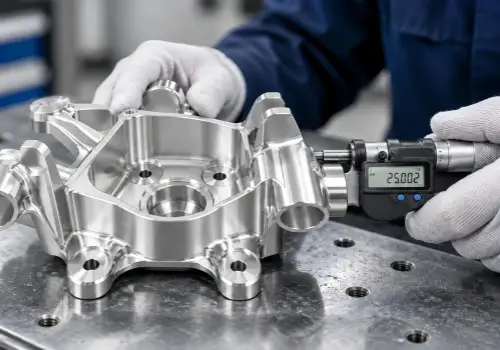
First Article Inspection (FAI)
The first CNC-machined part is inspected against approved drawings before proceeding with batch production.
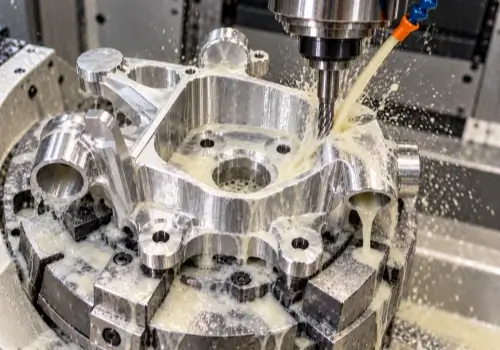
In-Process Inspection
Critical dimensions are checked at defined intervals during machining to identify deviations early and maintain dimensional consistency.
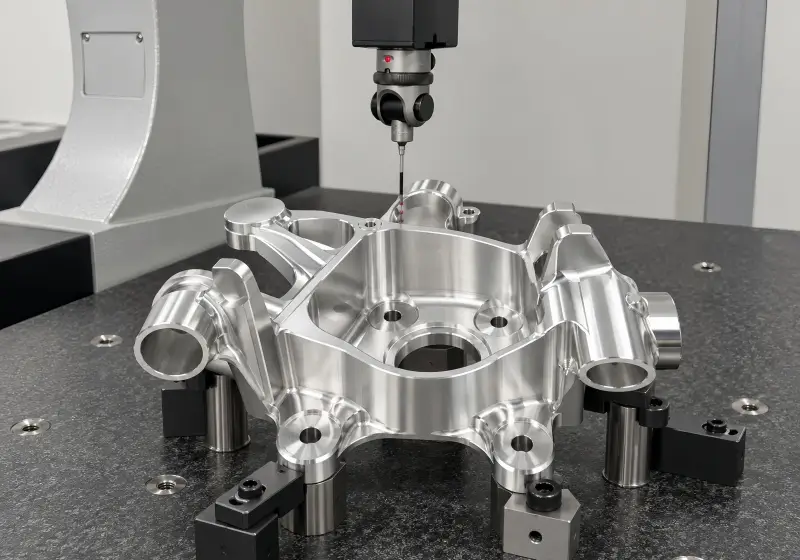
Dimensional Inspection & Measurement
CMMs, calipers, and other precision measuring tools are used to verify critical dimensions and tolerances according to drawing requirements.
CNC Program and Fixture Retention
CNC programs, setup parameters, fixture information, and inspection requirements can be retained for repeat orders to help maintain consistent manufacturing conditions.
Final Sampling Inspection
After production, finished parts are randomly selected for final inspection to verify dimensional accuracy and quality before shipment.
Low-Volume CNC Machining vs. Injection Molding vs. Die Casting
Choosing the right manufacturing process depends on production volume, material, part complexity, tooling costs, and lead time. CNC machining is often a practical choice for low-volume production of metal and plastic parts.
Injection molding and die casting typically offer lower unit costs at higher production volumes. However, if the quantity is a small batch, the tooling investment is expensive, which makes them less economical.
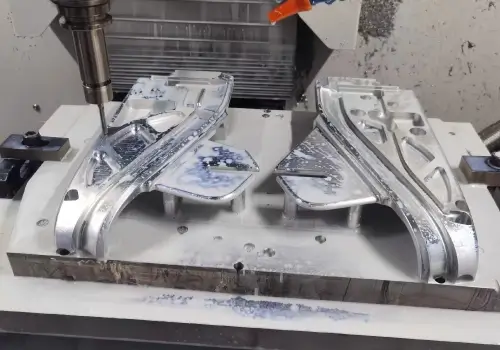
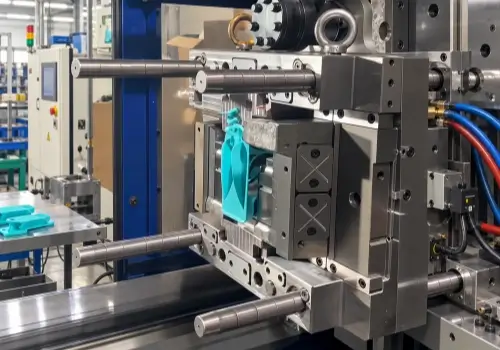
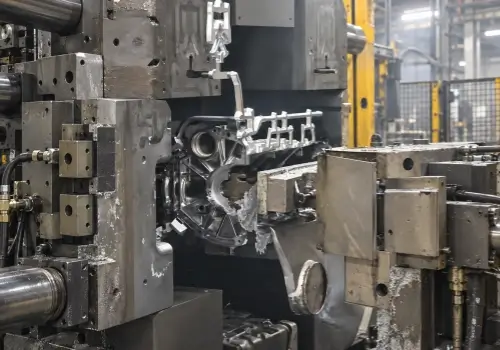
Manufacturing processing comparison
| Factor | Low-Volume CNC Machining | Injection Molding | Die Casting |
|---|---|---|---|
| Tooling Cost | No mold investment, setup and fixture costs may apply | Typically $5,000–$50,000+ per mold | Typically $10,000–$100,000+ per die |
| First Sample Lead Time | 5–8 days | Mold fabrication and trial production required, typically 4–6 weeks or longer | Die fabrication and trial production required, typically 4–6 weeks or longer |
| Lead Time for Batch Production | Typically 2--4 weeks | Typically 8-10 weeks, included molding | Typically 8-10 weeks, included molding |
| Production Volume | Ideal for 50–1,000 parts, other quantities possible | Cost-effective at 3,000–5,000+ units | Cost-effective at 3,000–5,000+ units |
| Low-Volume Cost | Often cost-effective for small batches | Upfront mold costs increase effective unit cost | High die investment increases small-batch costs |
| Design Changes | CNC programs can be updated | Mold modifications may be required | Die modifications may be required |
| Material Options | Wide range of machinable metals and engineering plastics | Primarily moldable plastics | Primarily aluminum, zinc, and magnesium casting alloys |
| Dimensional Accuracy | Tight tolerances achievable on selected features | Depends on material, shrinkage, and mold design | Depends on alloy, geometry, and casting process |
| Design Limitations | Tool access, workholding, and cutter geometry | Draft angles, wall thickness, and mold release | Draft angles, wall thickness, and casting constraints |
| Best Suited For | Prototypes, low- to medium-volume production | Higher-volume for plastic components | Higher-volume for metal components |
Low-Volume CNC Machining Projects Case Studies
Explore our low-volume CNC machining projects, featuring a range of materials and machining solutions.
01
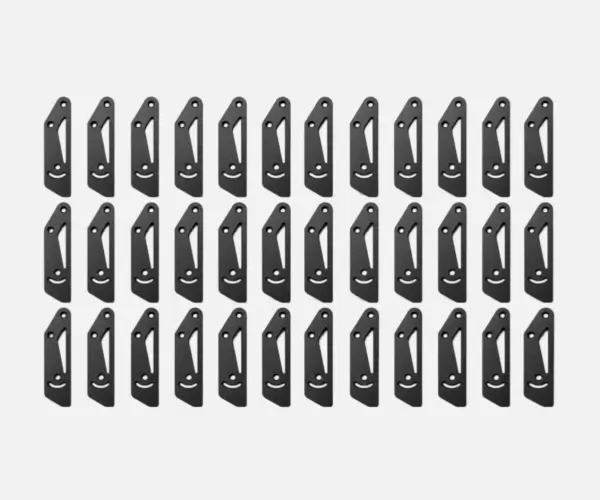
Photography equipment accessories parts
- Material: 6061-T6 aluminum
- Process: 4-axis CNC milling machine
- Surface finish: Black anodizing Type II
- Part Size: 395 × 106 × 92 mm
- Location: USA
The challenge was the unusual geometry of the part, which made it impossible to secure it in the conventional jaws of a vise due to the risk of deflection of the thin walls of the part. The custom fixture, which secured the part using its internal features and thus spread the force of the clamping away from the thin walls, was designed. The deflection was checked on the first article using a dial gauge prior to processing all parts of the batch.
02
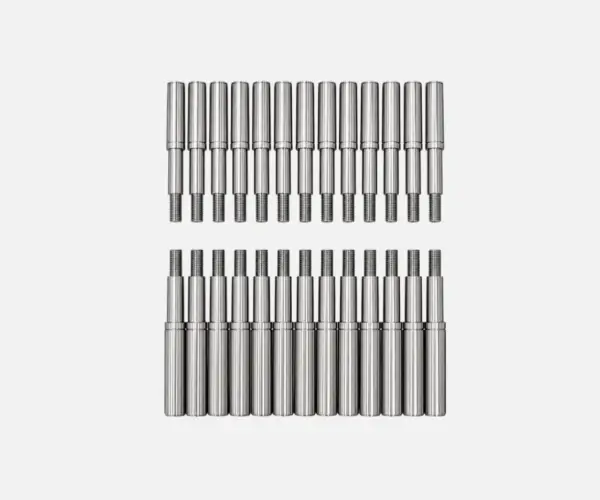
Shaft part for yacht accessories
- Material: 316 stainless steel
- Process: CNC turning
- Surface finish: Polished
- Part Size: 10 × 10 × 157 mm
- Location: Norway
A production batch of shaft components out of 316 stainless steel for a manufacturer of marine equipment by means of CNC turning. 316 stainless steel was required for chloride corrosion resistance of the shafts operating in direct exposure to salt water. Requirements were shaft diameter tolerance for bearing fit, surface finish for sealing, and consistent runout across the entire batch.
03
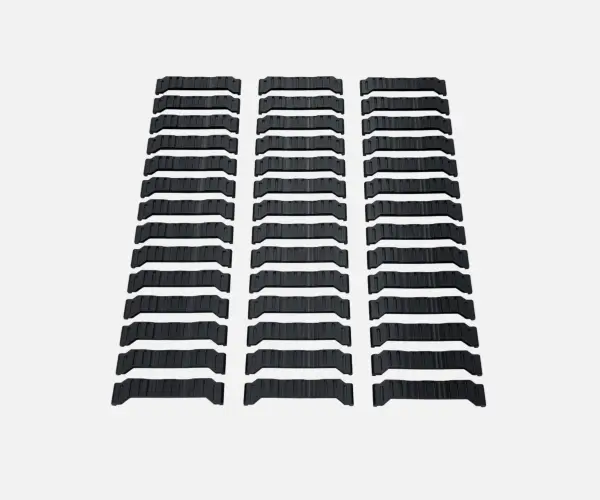
Automation equipment parts
- Material: Black POM(Delrin)
- Process: 3-axis CNC machining
- Surface finish: As machined
- Part Size: 256 x 72 x 95mm
- Location: Spain
The challenge was a complex combination of large general dimensions, thin walls, and POM’s tendency to deform under machining forces and clamping loads. The release of residual stress from POM under machining is less predictable than in the case of metals because release from one side of the wall allows the other side to stretch a little bit. We roughed the part in several passes, equally removing material from all sides to balance the stress release, and left a finishing allowance to machine on the stable pass.
Other CNC Machining Services
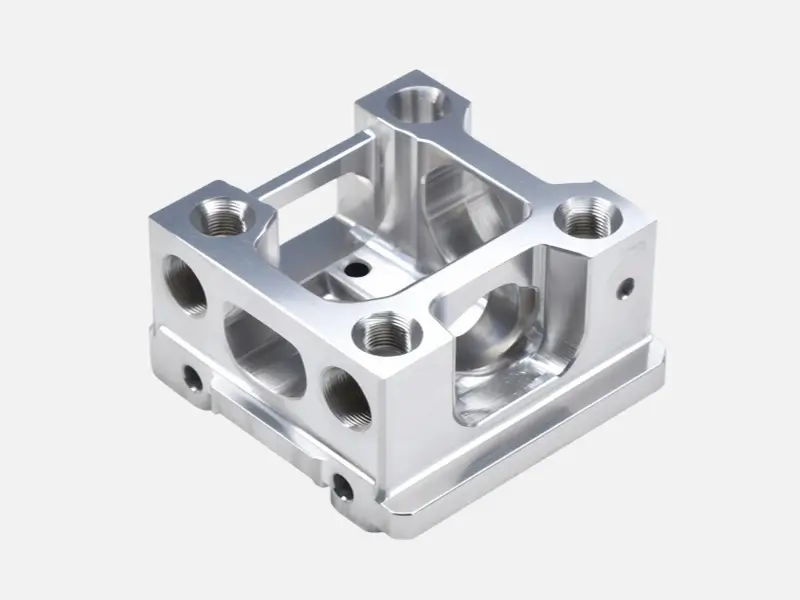
In addition to aluminum CNC machining services, we also provide such as steel, stainless steel, and other engineering metals and plastic materials.


Low-Volume CNC Machining FAQs
What is the minimum order quantity for low-volume CNC machining?
Our minimum order quantity is just 1 piece. While low-volume production typically involves 50–1,000 parts, we also support prototypes and smaller batches. Unit part costs are generally higher for very small orders because setup and programming etc costs are spread across fewer parts.
How does order quantity affect CNC machining costs?
The cost per part generally decreases as order quantity increases, especially when moving from prototypes to small production batches. This is because programming, setup, and fixturing costs can be distributed across more parts. Larger orders may also benefit from improved production efficiency. The final cost depends on part complexity, materials, tolerances, and batch size.
How do you maintain consistent quality between different production batches?
We use documented machining programs, setup procedures, and inspection methods to maintain consistent quality. For repeat orders, we reference previous production records. Using the same programs, processing, and CNC machines as much as possible.
What's leand time for low-volume CNC machining parts?
Lead times depend on part complexity, quantity, material availability, finishing requirements, and other factors. A typical batch of 50–100 pieces of simple aluminum, steel, or POM parts may take approximately 2–3 weeks after order approval. 500–1,000 may take 3–4 weeks. We will quote you the specific lead time after receiving your drawings.
What should I choose between CNC machining, injection molding, and die casting?
The best process depends on your material, production volume, part complexity, budget, and lead time. CNC machining is ideal for low- to medium-volume production, especially when designs may change or tight tolerances are required. Injection molding is generally more cost-effective for larger quantities of plastic parts, while die casting is suitable for higher-volume metal production. Compare total costs, including tooling and per-part costs, to determine the best option for your project.
Can you reuse CNC programs and fixtures for repeat orders?
Yes. We retain CAM programs, fixture designs, and relevant production records to support repeat orders. When the part design and manufacturing requirements remain unchanged, existing programs and fixtures can often be reused.
Start Your Low-Volume CNC Machining Project with Our Expert Team
Upload your files with us, get a free and fast quote today